
Microneedling
Our Service
Microneedling: A Journey to Revitalized Beauty
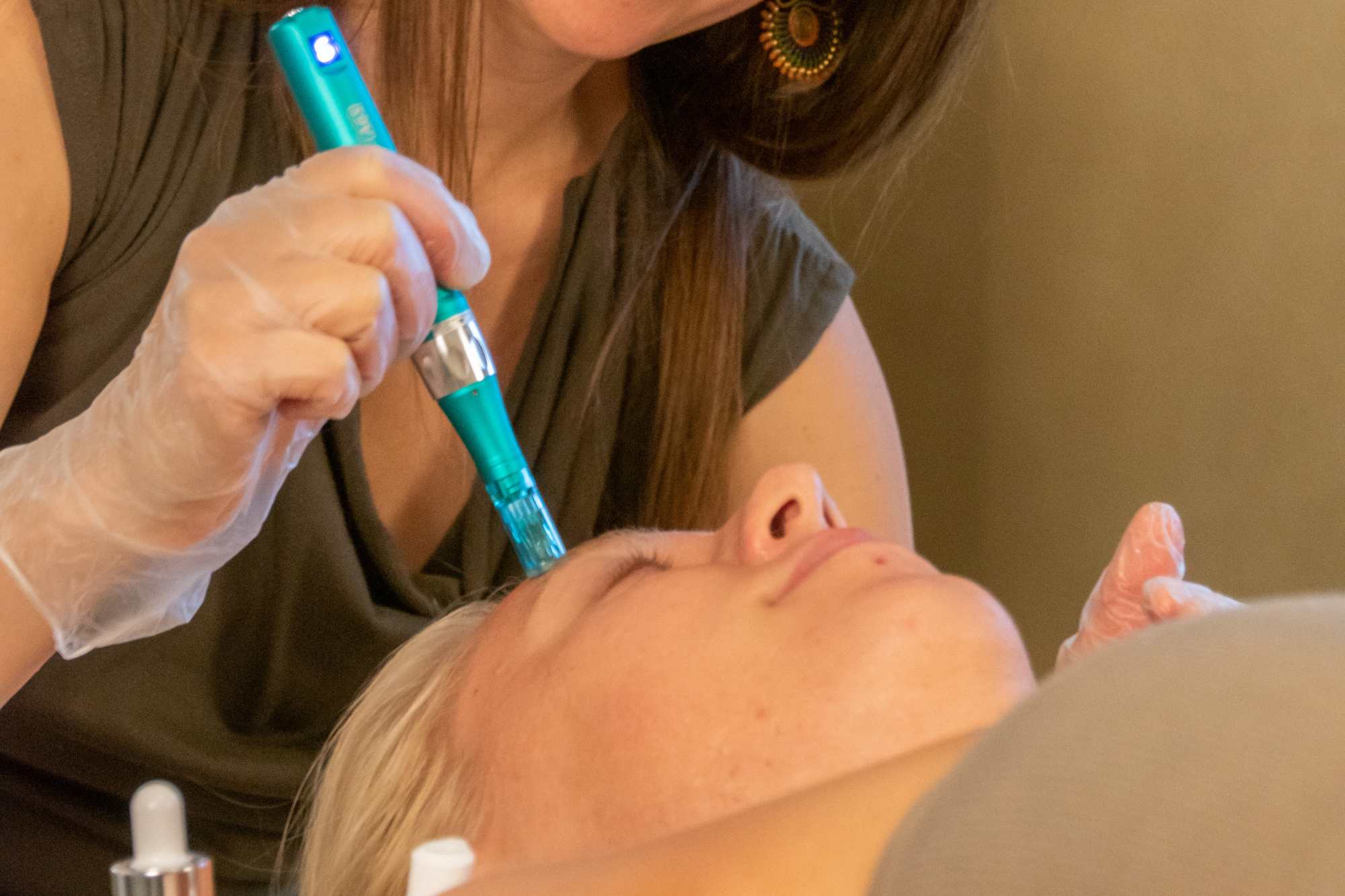
What is Microneedling?
Microneedling, also known as collagen induction therapy, is a minimally invasive procedure that employs tiny needles to create controlled micro-injuries on the skin’s surface. These micro-injuries kickstart the body’s natural healing process, boosting collagen and elastin production. Additionally, the treatment can stimulate hair growth, making it beneficial for those seeking hair regeneration as well.
Benefits of Microneedling:
Stimulates Collagen Production
Encourages skin's natural ability to repair itself, leading to plumper and firmer skin.
Reduces Scarring & Hyperpigmentation
Helps fade acne scars, age spots, and other blemishes for an even complexion.
Minimizes Pores
The increased collagen can tighten and minimize the appearance of enlarged pores.
Simulates Hair Growth
Promotes thicker, fuller strands, rejuvenating your scalp's vitality and hair's luster.
FAQs
A: Microneedling is generally safe for many individuals; however, there are certain groups who should exercise caution or avoid the procedure altogether. Contraindications include:
- Active Skin Infections: Individuals with active acne, cold sores, or other skin infections should avoid microneedling until the infection has completely cleared.
- Pregnancy: Pregnant women are often advised to postpone microneedling due to the lack of studies on its effects during pregnancy.
- History of Scarring: Those with a history of keloids or hypertrophic scarring might experience exaggerated scar responses post-treatment.
- Skin Conditions: People with conditions like eczema, psoriasis, or rosacea might experience flare-ups after the procedure.
- Recent Radiation Therapy: It’s advised to wait several months post-radiation treatment before considering microneedling.
- Blood Thinners: If you’re on anticoagulant medications, there’s an increased risk of bruising.
- Active Skin Cancer: Microneedling should not be performed on areas with active skin cancer.